Running a small business is exciting—but without a solid understanding of basic accounting, it can quickly become overwhelming. Whether you’re managing a startup, side hustle, or growing enterprise, knowing your numbers is essential for survival and success.
In this guide, you’ll learn the core accounting principles every small business owner must understand, explained in a simple and practical way.
Why Accounting Matters for Small Businesses
Accounting is more than just tracking money—it’s the foundation of your business decisions. Proper accounting helps you:
- Monitor cash flow and profitability
Make informed financial decisionsStay compliant with taxes and regulations
- Attract investors or secure loans
- Avoid financial mistakes that can sink your business
Without accurate accounting, even profitable businesses can fail.
1. Understanding Income and Expenses
At the heart of accounting is knowing how much money is coming in and going out.
Income (Revenue)
- This is all the money your business earns from selling products or services.
- Expenses
These are the costs incurred to run your business, such as:
Rent
Salaries
Inventory
Utilities
Marketing
Key Tip: Always track every transaction, no matter how small.
2. The Difference Between Profit and Cash Flow
Many business owners confuse profit with cash flow—they are NOT the same.
- Profit = Income – Expenses
- Cash Flow = Actual money moving in and out of your business
You can be profitable but still run out of cash if payments are delayed or expenses are due immediately.
Focus on both to keep your business healthy.
3. Basic Financial Statements You Must Know
- a) Income Statement (Profit & Loss Statement)
Shows your revenue, expenses, and profit over a specific period.
- b) Balance Sheet
Gives a snapshot of your business’s financial position:
Assets (what you own)
Liabilities (what you owe)
Equity (your ownership)
- c) Cash Flow Statement
Tracks how cash moves in and out of your business.
These reports help you understand where your business stands financially at any time.
4. Assets, Liabilities, and Equity Explained
- Assets
Things your business owns:
Cash
Equipment
Inventory
Liabilities
What your business owes:
Loans
Bills
Supplier payments
Equity
Your ownership in the business after liabilities are subtracted.
Formula:
Assets = Liabilities + Equity
5. Keeping Business and Personal Finances Separate
One of the biggest mistakes small business owners make is mixing personal and business finances.
Open a separate business bank account to:
- Simplify accounting
- Improve professionalism
- Avoid tax complications
6. Basic Bookkeeping Methods
- Single-Entry Bookkeeping
Simple and suitable for very small businesses
Tracks income and expenses only
- Double-Entry Bookkeeping
More accurate and widely used
Every transaction affects two accounts (debit and credit)
If your business is growing, double-entry bookkeeping is the better option.
7. Understanding Taxes and Compliance
Every business must meet tax obligations. This may include:
Income tax
Value-added tax (VAT)
Payroll taxes
Keep records organized to avoid penalties and make tax filing easier.
8. Tracking Accounts Receivable and Payable
- Accounts Receivable
Money customers owe you.
- Accounts Payable
Money you owe suppliers.
Managing these properly ensures you maintain healthy cash flow.
9. Budgeting and Forecasting
A budget helps you plan your spending and avoid unnecessary costs.
Forecasting allows you to:
- Predict future income
- Prepare for slow periods
- Plan for growth
Businesses that plan financially are more likely to succeed.
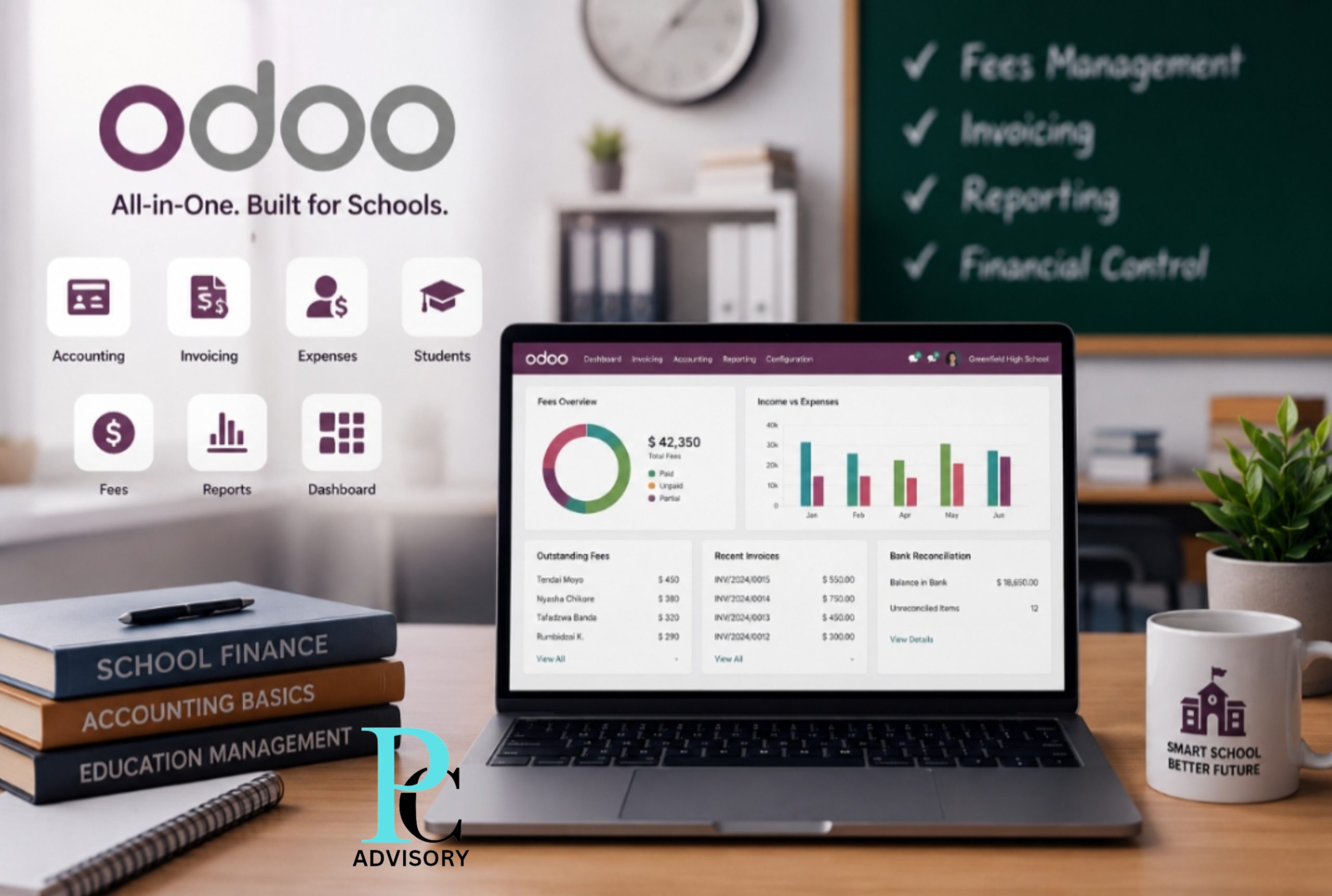
10. Using Accounting Tools and Software
Modern accounting software can automate many tasks such as:
- Invoicing
- Expense tracking
- Financial reporting
This saves time and reduces errors, especially for busy entrepreneurs.
Final Thoughts
Understanding basic accounting is not optional—it’s a critical skill every small business owner must develop. You don’t need to be an accountant, but you do need to understand how your money works.
Start with the basics, stay consistent, and consider getting professional help as your business grows.
Frequently Asked Questions (FAQs)
Q: Do I need an accountant for my small business?
A: Not always at the beginning, but consulting one can help you avoid costly mistakes.
Q: How often should I update my accounts?A: Ideally, daily or weekly to stay on top of your finances.
Q: What is the most important accounting concept to understand?A: Cash flow—because it determines whether your business can survive day-to-day.