The Business Can Be Busy — and Still Out of Control
A business without systems can look perfectly healthy from the outside. Sales are happening. Staff are working. Customers are being served.
But ask simple questions:
Which customers still owe money?
How much stock should be available? Who approved that expense?
Which invoices have been paid?
What happens when the owner is away for two weeks?
If the answers depend on finding one person and asking them to remember, the business has a control problem.
Risk 1: Money Becomes Harder to Track
Without proper invoicing, payment records, reconciliations and expense controls, it becomes difficult to know whether the business is genuinely profitable.
A bank balance can give false comfort. Cash may belong to suppliers, employees, tax obligations or future stock purchases. Proper financial records help separate what the business has from what it actually earns.
Risk 2: Stock Starts Disappearing
If stock comes in and goes out without reliable records, losses become difficult to identify. The cause could be theft, damage, unrecorded sales, receiving errors or simple counting mistakes.
The longer the problem continues, the harder it becomes to find the source.
Risk 3: The Owner Becomes the System
This is one of the most expensive hidden problems in a growing SME.
If every payment, customer complaint, stock decision, supplier order and staff question has to pass through the owner, growth eventually creates a bottleneck. The business may depend on the owner’s availability instead of depending on repeatable processes.
Risk 4: Compliance Problems Can Build Quietly
Companies and businesses have records and filing obligations. Tax compliance also depends on accurate underlying information.
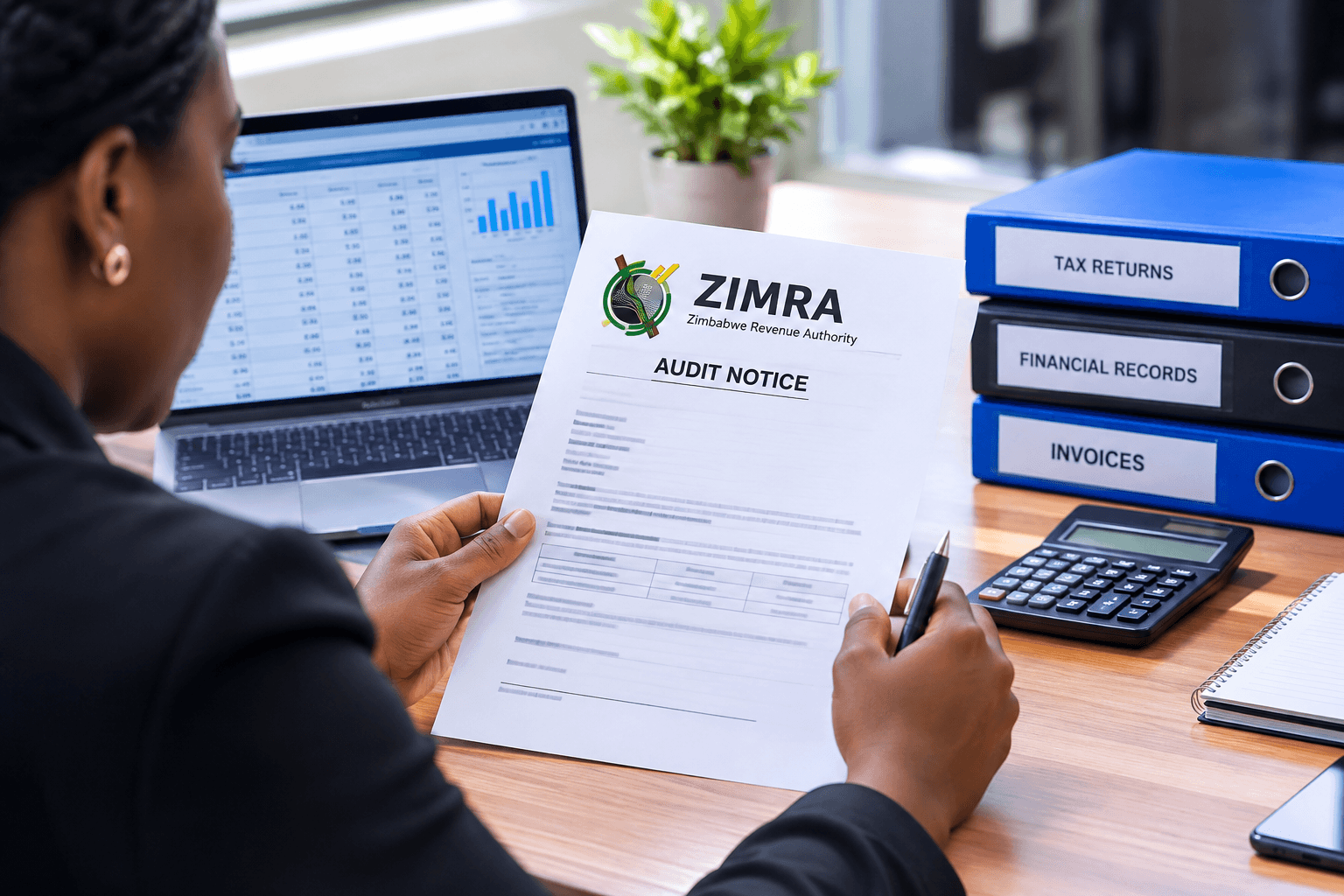
ZIMRA requires taxpayers to maintain proper records and supporting documents, while company statutory obligations are handled separately through the corporate registration framework. Poor internal records can therefore make it harder to respond accurately when information is required for tax, company or other regulatory purposes.
Risk 5: Good Employees Can Still Make Costly Mistakes
Systems are not only designed to prevent dishonest behaviour. They also protect honest employees from avoidable mistakes.
A written purchasing process, approval limit, stock-receiving checklist or customer-credit procedure gives employees a clear way to do the job. Without that structure, different people may handle the same task differently — and the business pays for the inconsistency.
Risk 6: Growth Magnifies Weaknesses
This is why systems matter most when business is going well.
A manual process that works for 20 customers may collapse at 200. A spreadsheet that works for 50 products may become unreliable at 2,000. A single person approving every transaction may be manageable today and impossible next year.
What Does a ‘Proper System’ Actually Look Like?
It does not necessarily mean expensive software or a large corporate structure. For an SME, it can start with a small set of repeatable controls:
- A clear sales and invoicing process.
- A documented purchasing and supplier-approval process.
- Regular bank and cash reconciliations.
- Reliable stock records and physical stock counts.
- A customer-credit and debt-collection process.
- Clear approval limits for spending.
- Proper filing of invoices, receipts, contracts and tax records.
- Monthly financial reporting that the owner actually reviews.
- Start With the Three Places Where Money Moves
If your business currently has very few systems, do not try to document everything in one week. Start with sales, stock and cash.
Ask: How is a sale recorded? How does stock leave the business? How is the money received and reconciled? How are expenses approved? These three areas often reveal where the biggest control gaps are.
The Goal Is Not More Paperwork
Good systems should make the business easier to run, not slower. The best process is one that employees can understand, managers can check and the owner can rely on.
The objective is simple: when something goes wrong, you should be able to find out what happened without reconstructing the entire story from memory.
Final Thoughts
Running a Zimbabwean business without proper systems may feel cheaper while the business is small. But as sales, staff, stock and transactions increase, the cost of weak controls can become much larger than the cost of putting systems in place.
Start small. Document the important processes. Separate responsibilities where practical. Review the numbers every month. A business should not have to depend on one person’s memory to know what is happening.